Empowering Women Through Financial Literacy: A Pathway to Economic Independence and GBV Prevention
Introduction
Financial literacy is more than just managing money it is about reclaiming independence, dignity, and security. For women, particularly those living in under-resourced communities, financial empowerment serves as a lifeline that reduces dependency and vulnerability to gender-based violence (GBV).
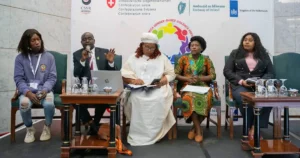
As part of the “Breaking the Cycle of Violence: Empowering Initiatives to Disrupt GBV” project, the Centre for the Study of Violence and Reconciliation (CSVR), in collaboration with partners such as Toyota Financial Services, Standard Bank, the Gauteng Department of Agriculture and Rural Development (GDARD), Nedbank, Remolemo Enterprise, and Tshegofatja Rona, hosted two rounds of financial literacy training. The first training was held in 2024, and a second, expanded session took place in July 2025. Together, these trainings reached 104 women from Orange Farm, Diepsloot, Tembisa, Soweto, and Alexandra.
The program was not only about equipping women with technical financial knowledge but also about creating safe, supportive, and interactive spaces where participants could learn, share experiences, and draw strength from one another.
Purpose of the Training
The financial literacy training was designed with a dual purpose: to empower women with practical financial tools and to address the broader link between financial dependency and vulnerability to GBV. Many women in the participating communities lacked access to financial education. The training aimed to bridge this gap by providing knowledge and skills that enable women to manage their income effectively and plan for the future.
Economic dependency is a major driver of GBV. The training provided women with skills that reduce reliance on abusive partners, giving them pathways to reclaim financial and personal control. The program emphasized the strong connection between financial well-being and mental health. Women were encouraged to see financial independence as not only an economic necessity but also a foundation for confidence, dignity, and resilience.
By creating an interactive space, the training allowed women to share challenges and solutions, building solidarity and a network of support that extends beyond the sessions. By doing so, the initiative recognized that financial independence is not only an economic issue but also a pathway to freedom from violence.
Topics covered
Budgeting and Saving
Women were introduced to practical budgeting methods, with a strong emphasis on prioritizing needs over wants. Trainers highlighted how peer pressure and unplanned expenses often trap families in cycles of financial stress. Savings, even in small amounts, were encouraged as crucial safety nets to prevent debt and cope with unexpected crises.
Small Business Development
Entrepreneurial participants were guided through the fundamentals of starting and sustaining a business. This included researching costs, understanding profit margins, and managing logistics. The importance of business registration was emphasized as a means of building credibility, attracting partnerships, and accessing funding. Institutions such as SEDA, Nedbank, and the Gauteng Enterprise Propeller were presented as key support systems for women-led enterprises.
Agriculture as a Financial Opportunity
The Gauteng Department of Agriculture and Rural Development (GDARD) highlighted how farming and agro-processing can serve as long-term financial opportunities. He walked women through the steps of securing land leases, conducting land assessments, and accessing agricultural training programs. By framing agriculture as both a livelihood and business model, the session opened pathways for women to consider farming as a sustainable means of empowerment.
Financial Planning and Investments
The training provided one of the most impactful sessions by addressing financial planning and long-term wealth creation. It covered key areas such as debt management, highlighting the importance of distinguishing between productive debt and harmful borrowing. Participants were introduced to various investment options, including tax-free savings, insurance, and emergency funds, and were guided on goal setting as a means to build sustainable financial futures. The session also emphasized consumer education, ensuring that women carefully review and question financial contracts before signing. Throughout, a strong focus on financial discipline and consumer awareness equipped women with practical tools to protect themselves against exploitation and predatory lending.
Consumer Rights Awareness
The women were also educated on their consumer rights, with a focus on avoiding deceptive sales tactics, digital scams, and exploitative financial agreements. They were encouraged to demand transparency in financial dealings, reinforcing the importance of informed decision-making.
Challenges Identified
Despite the progress, several barriers were noted during the training:
- Many women lacked knowledge of existing financial resources.
- Social and cultural norms still discourage women from pursuing financial independence.
- Collaboration and information-sharing across women’s networks remain limited.
- Financial literacy is rarely passed on to younger generations, reducing long-term impact.
Reflections and Outcomes
The training did more than impart financial skills it built confidence. Women reported:
- A deeper understanding of budgeting and saving.
- Awareness of reckless spending and its long-term consequences.
- Knowledge of consumer rights and how to avoid financial traps.
- Motivation to explore agriculture and small business opportunities.
- Commitment to involving their children in financial discussions to create generational change.
Importantly, participants reflected on the connection between financial empowerment and mental health. Women noted that gaining control over their finances reduced stress, enhanced their sense of dignity, and gave them hope for safer futures free from dependency and abuse.
Recommendations for Future Initiatives
- Strengthen partnerships with financial institutions to expand training and provide continuous mentorship.
- Introduce financial literacy in schools to equip young people early with money management skills.
- Mentorship programs to guide women in their financial journeys and business growth.
- Community-led empowerment initiatives that build solidarity and collective resilience among women.
Conclusion
The financial literacy training demonstrated that economic empowerment is not just about numbers on a budget sheet, it is about breaking cycles of dependency, restoring dignity, and protecting women from GBV. By equipping women with financial knowledge and resilience, we are planting seeds of transformation that extend beyond households into entire communities.
The journey does not end here. Sustained mentorship, stronger partnerships, and youth inclusion will be essential to ensure that financial literacy is not a once-off event but a long-term force for change.