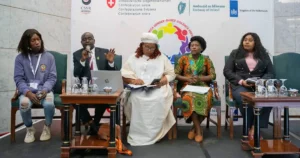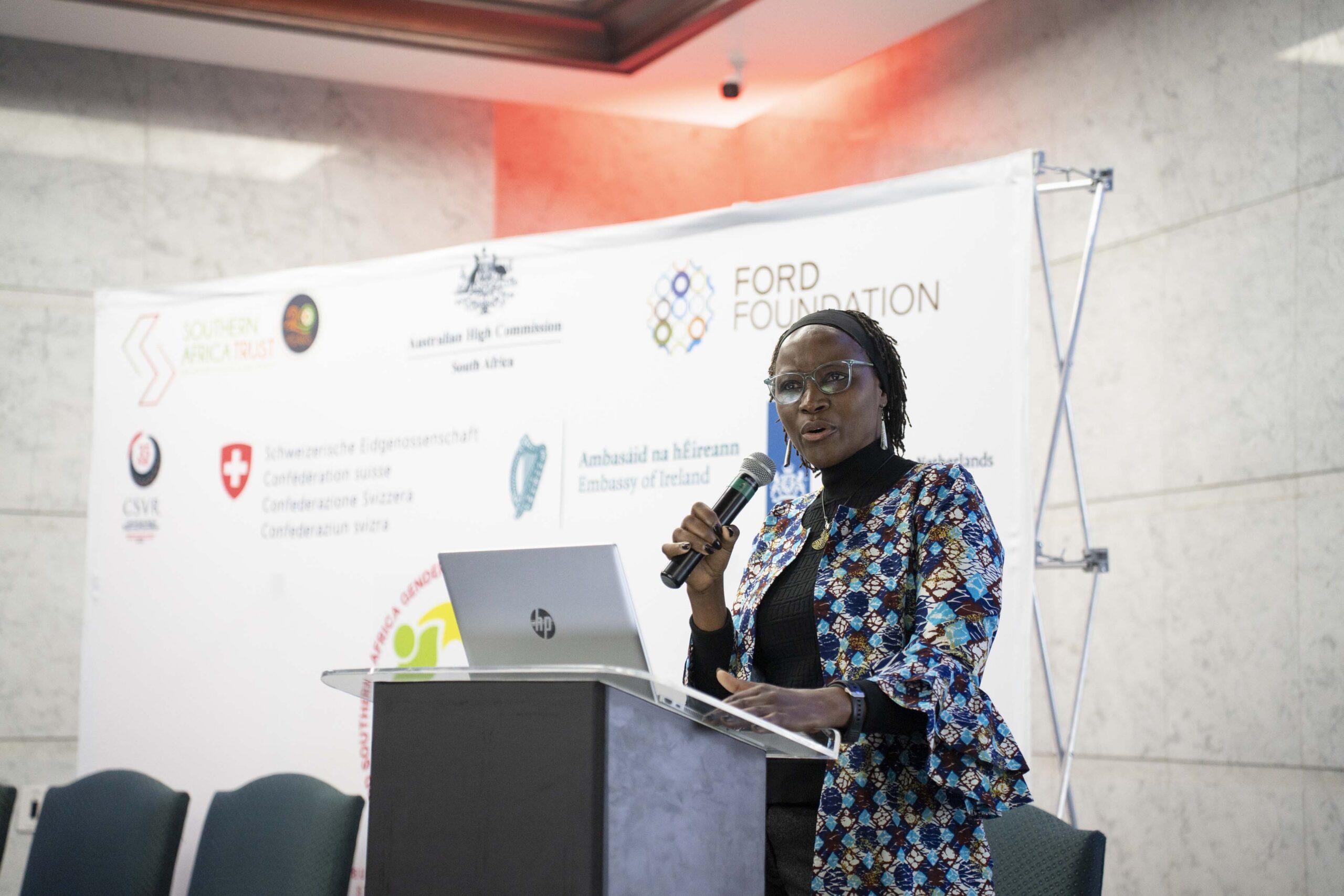
The Third Southern Africa Forum against Gender-Based Violence concluded with a resounding call for transformative, collaborative approaches to address the persistent scourge of gender-based violence (GBV) across the region. Held over three days under the theme “Building Bridges — Strengthening Collaborative Efforts for GBV Prevention and Response in Southern Africa,” the forum convened diverse stakeholders to confront systemic challenges and identify pathways toward stronger, more effective prevention and response strategies.
Confronting Persistent Systemic Challenges
Despite comprehensive legislation and policies across Southern Africa, participants identified GBV as a deeply entrenched systemic challenge rooted in patriarchal structures, harmful social and cultural norms, and intersecting vulnerabilities. The discussions at the forum highlighted critical gaps in implementation, including inadequate resourcing and funding, lack of coordination between sectors, insufficient training, and limited political will. Justice systems routinely re-traumatize survivors through corruption and lack of accountability, while educational institutions struggle with widespread GBV due to weak policy enforcement. Women’s rights organizations remain severely underfunded and dependent on external donors who dictate priorities, marginalizing grassroots women’s organizations from crucial decision-making processes and limiting local ownership of responses.
Shifting from conversations to co-creating regional strategic priorities
Through panel discussions and networking sessions, participants at the forum identified seven critical priorities for regional action:
- Leveraging Global Platforms: With South Africa’s G20 Presidency, participants emphasized the opportunity to elevate GBV as a global priority and secure high-level commitments for coordinated and sustainable action.
- Strengthening Multi-Sector Collaboration: The forum underscored the urgent need for integrated strategies across government, civil society, communities, traditional leaders, faith institutions, private sector, and international partners as critical to addressing the many layers and complexities of GBV.
- Transforming Cultural Norms: Engaging faith and traditional leaders was identified as essential for shifting harmful social norms and fostering community-led change.
- Engaging Men and Boys: Strong consensus emerged on the importance of involving men and boys as active allies in prevention and response efforts.
- Prioritizing Prevention: While acknowledging critical survivor support needs, participants called for increased investment in prevention strategies, including feminist economic justice initiatives that challenge patriarchal economic structures.
- Ensuring Inclusive Approaches: The forum emphasized prioritizing the leadership and lived experiences of survivors and marginalized communities, including youth, persons with disabilities, and LGBTQI+ individuals, in all GBV programming. This approach challenges the patriarchal and systemic structures that have consistently excluded these voices from decision-making spaces and justice processes.
- From Data to Action: Despite extensive data collection, participants challenged the gap between evidence and implementation, calling for survivor-centred, actionable insights that dismantle systemic barriers and drive meaningful change toward gender justice.
Looking Ahead
As Southern Africa continues to grapple with GBV, the forum’s outcomes provide a roadmap for coordinated regional action that addresses root causes while supporting survivors. The emphasis on collaboration, innovation, and systemic change offers hope for meaningful progress in the fight against gender-based violence.
The forum concluded with a commitment to transform discussions into concrete action, recognizing that sustainable change requires the collective efforts of all sectors of society working together toward a violence-free Southern Africa.
For media queries:
Media representatives seeking additional information about the symposium outcomes, requesting interviews with participants, or interested in developing further stories on GBV prevention and response in Southern Africa should contact:
- Athini Magodla, Gender Assistant (CSVR) amagodla@csvr.org.za – +27 721571099
- Nicola Nkhoma, Advocacy and Communications Officer (The Trust) nnkhoma@southernafricatrust.org